
Being a single mom is like juggling flaming torches while riding a unicycle—you’re constantly balancing bills, childcare, work, and everything in between. And let’s be honest, thinking about saving money for an emergency fund can feel like trying to climb Mount Everest in flip-flops. But here’s the good news: it is possible to build a safety net—even on a low income.
In this guide, I’ll break down practical, realistic, and yes, even fun ways for single moms to save money, get financially secure, and sleep better at night knowing you’ve got a cushion for the unexpected.
Why an Emergency Fund Is a Must for Single Moms
An emergency fund is like a superhero cape for your finances. It’s money set aside specifically for unexpected events—medical bills, car repairs, sudden job changes, or even a last-minute school trip.
Here’s why it’s essential for single moms:
- Peace of mind: Life throws curveballs, and having a financial cushion reduces stress.
- Avoid debt traps: Without savings, emergencies can lead to high-interest loans or credit card debt.
- Financial independence: You control your money instead of letting emergencies control you.
Even if your income is tight, starting small is better than doing nothing. Remember, slow and steady wins the race.
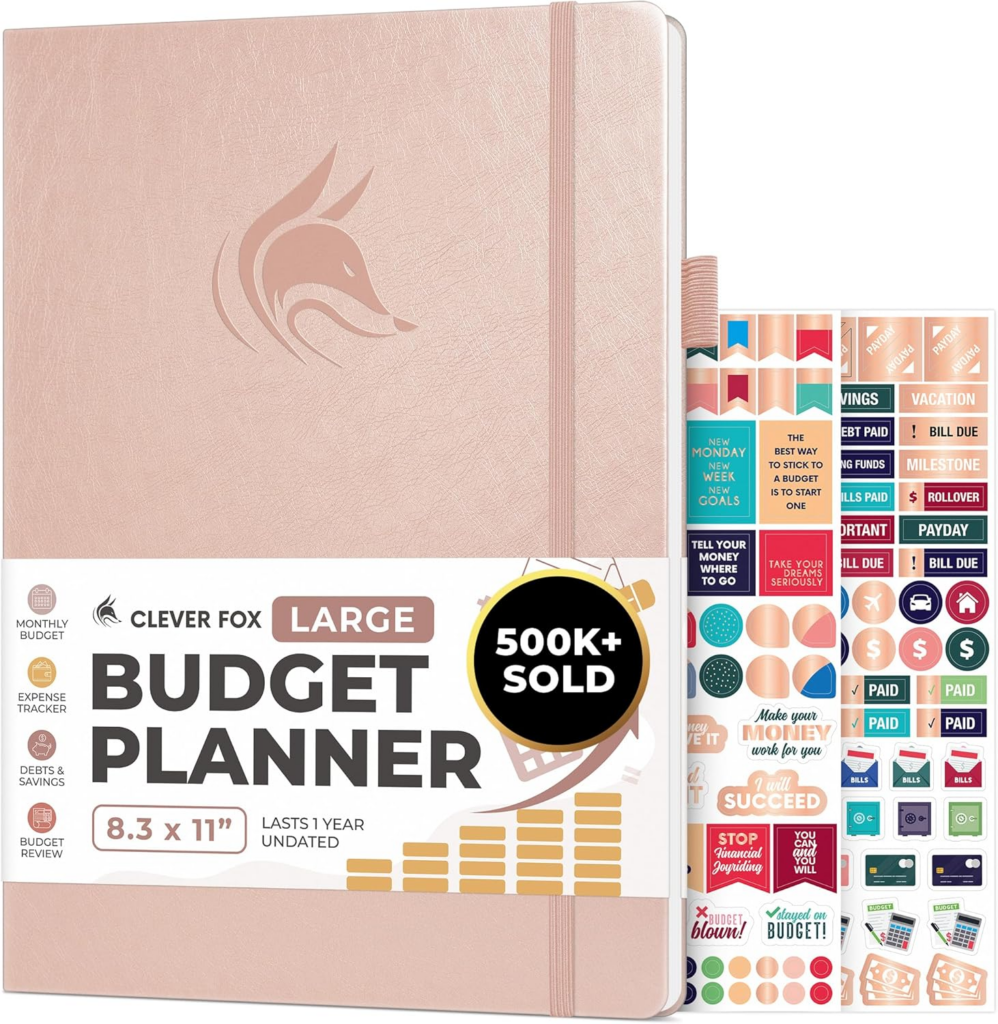
Step 1: Know Your Why (And Make It Fun)
Before you start saving, get clear on why you’re building an emergency fund. Is it for:
- Car repairs?
- Medical bills?
- A security blanket for your kids?
Make it tangible. Some single moms even make a vision board or a colorful jar labeled “Rainy Day Fund” and add money every week. Seeing your savings grow visually is super motivating.
Pro Tip:
Turn saving into a game. Every time you find a dollar, put it in your fund and celebrate small wins. Even a $5 contribution adds up over time.
Step 2: Set a Realistic Goal
You’ve probably heard that an emergency fund should be 3–6 months of living expenses. That’s ideal, but if your income is low, that goal can feel impossible. Start small:
- Mini goal: $500–$1,000
- Next goal: $2,500
- Long-term goal: 3–6 months of expenses
Think of your fund as a snowball. Each little deposit makes it bigger and stronger.

Step 3: Track Your Spending Like a Detective
You can’t save what you don’t know you’re spending. Use apps like Mint, YNAB, or even a simple spreadsheet to track where your money goes.
Here’s how to get started:
- Write down every expense for a month.
- Categorize: bills, groceries, transportation, fun, misc.
- Identify areas to cut—even just $5–$10 here and there adds up.
Example:
- Coffee run every morning: $5 × 20 days = $100/month
- Subscription services you barely use: $15–$30/month
- Impulse online shopping: $50/month
Cutting or reducing these small expenses can fund your emergency savings faster than you think.
Step 4: Make Saving Automatic
Out of sight, out of mind works here. Set up automatic transfers to your emergency fund. Even $10–$20 a week adds up.
- If you get paid weekly, set up a direct deposit into a separate savings account.
- Use apps like Chime, Qapital, or Simple that let you automate small transfers.
Pro tip: Treat your emergency fund like a bill. If it’s non-negotiable, you’re more likely to stick with it.

Step 5: Find Extra Income (Even Small Bits Count)
Even on a low income, you can find ways to bring in a few extra dollars for your fund. Some ideas:
- Side hustles: Babysitting, tutoring, freelance writing, or dog walking.
- Selling unused items: Clothes, toys, and electronics on eBay, Facebook Marketplace, or Poshmark.
- Cashback apps: Rakuten, Ibotta, or Honey can save or earn you money while shopping.
- Gig apps: TaskRabbit, DoorDash, Uber Eats (if you have a car).
Even small amounts—$20 here and there—make a difference over time.
Step 6: Save Unexpected Windfalls
Treat bonuses, tax refunds, gifts, or birthday money as bonus savings. Instead of spending it all, funnel some (or all) of it into your emergency fund.
- Example: If you get a $500 tax refund, deposit $300–$400 straight into your emergency fund.
- Use the “out of sight” method: open a separate account so you’re less tempted to spend it.
Step 7: Reduce Monthly Expenses
Every dollar saved is a dollar earned for your emergency fund. Here are some realistic ways single moms can cut costs:
- Meal planning: Avoid takeout by cooking in batches.
- Utility hacks: Turn off lights, use energy-efficient bulbs, unplug devices.
- Discount shopping: Thrift stores, clearance racks, and bulk buys.
- Transportation: Use public transit, carpool, or walk when possible.
Even small cuts—like $50 a month—add up to $600 a year for your fund.

Step 8: Use a High-Interest Savings Account
Put your emergency fund in a high-yield savings account or a money market account. This keeps your money accessible but also earns interest.
- Avoid keeping it in a checking account—it’s too easy to spend.
- Online banks often offer higher interest rates than traditional banks.
Step 9: Celebrate Milestones
Building an emergency fund can feel slow, but every milestone deserves recognition.
- $100 saved? Treat yourself to a small coffee.
- $500 saved? Take a fun family outing.
- 1-month living expenses saved? Do a happy dance (literally).
Celebrating wins keeps motivation high and makes the process fun instead of stressful.
Step 10: Stay Consistent (Even When Life Gets Messy
Life as a single mom can be unpredictable. Some months you might save more, others less. That’s okay! Consistency beats perfection.
- Keep contributing even if it’s small.
- Revisit your budget quarterly and adjust.
- Remember your “why” whenever you feel discouraged.

Quick Tips for Single Moms Saving on a Tight Budget
Here are some extra nuggets of wisdom:
- Round up savings: Apps like Qapital round up purchases to the nearest dollar and save the change.
- Bundle bills: Some utilities or insurance providers offer discounts for bundled services.
- Free entertainment: Parks, museums, and local events can replace costly activities.
- Coupon hacks: Use Honey, Rakuten, or printable coupons for everyday purchases.
- Peer support: Join Facebook groups for single moms saving money—they often share tips and encouragement.
Emergency Fund Mistakes to Avoid
Even with the best intentions, some pitfalls can slow your progress:
- Using the fund for non-emergencies (like shopping sprees).
- Skipping savings when money is tight—every little bit counts.
- Ignoring inflation: Adjust your fund as costs rise.
- Mixing accounts: Keep your emergency fund separate from daily spending.
Avoid these mistakes, and your fund will grow steadily.
Real-Life Example: How I Built My Emergency Fund as a Single Mom
Let’s keep it real. When I was a single mom on a low income:
- I started with just $20/week in a separate savings account.
- I used cashback apps and sold old clothes for extra deposits.
- Within a year, I had $1,200 saved, which covered an unexpected car repair.
The best part? I didn’t feel panicked anymore. Knowing I had that cushion made all the difference.
Final Thoughts: You Can Do This!
Building an emergency fund as a single mom on a low income isn’t impossible—it’s just a matter of starting small, being consistent, and making saving a part of your lifestyle.
Remember:
- Start small, celebrate wins.
- Automate savings, track spending.
- Use apps, side hustles, and windfalls to boost your fund.
- Keep it separate and safe.
Your emergency fund is more than money—it’s freedom, peace of mind, and security for your family. Start today, and watch your confidence (and savings) grow!